
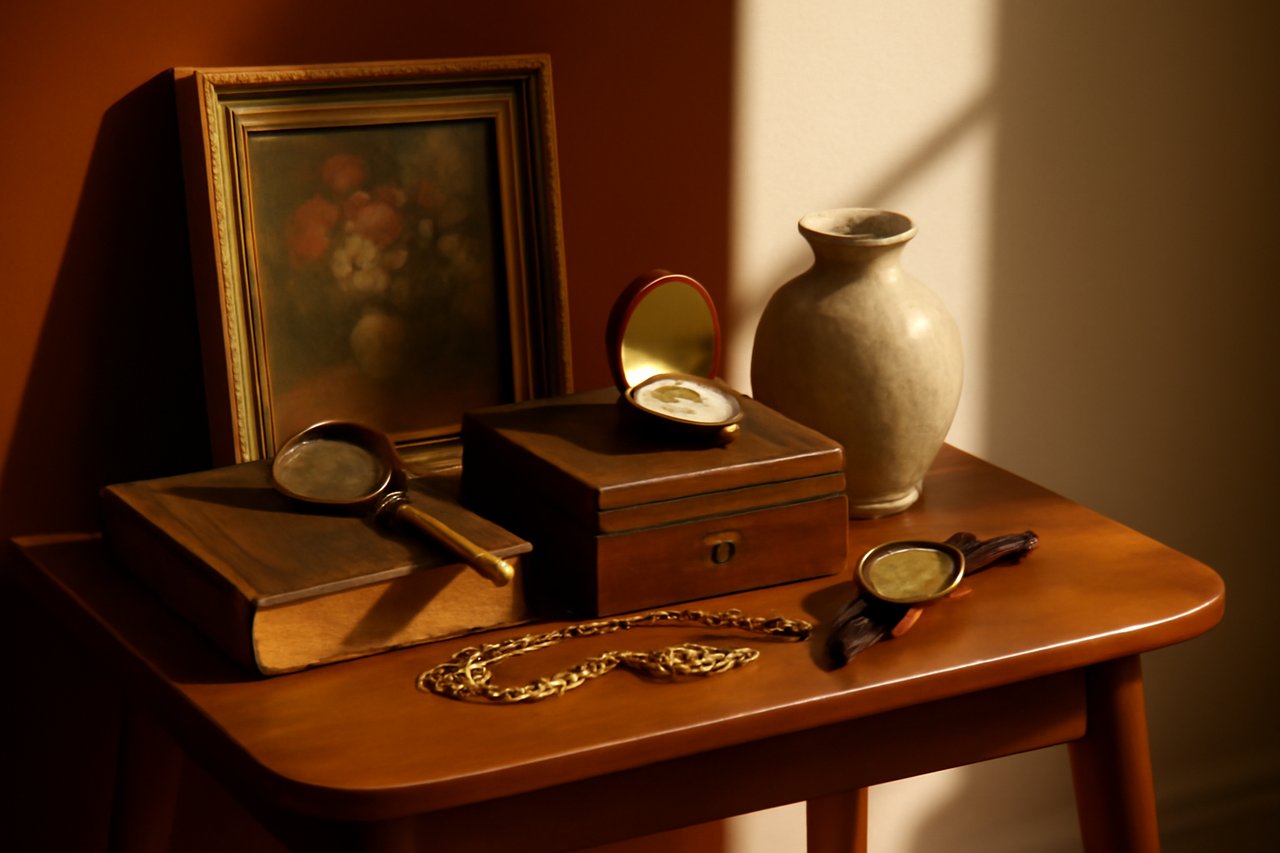
Nobody Prepares You for the Personal Property Part
Being named executor comes with a long list of responsibilities, and most of the legal and financial tasks have clear guidance. File the will with probate court. Notify creditors. Close accounts. But personal property, the furniture, jewelry, art, tools, clothes, and collections, gets far less attention in the guides, and it's often the most emotionally and logistically complicated part of the job.
This checklist won't replace an estate attorney, but it will help you move through the physical assets without missing steps that matter.
Step 1: Secure the Property Before Anything Else
Before family members take anything, before any cleaners or contractors come through, make sure the home is secure and document what's there. Take a walkthrough video on your phone. This protects you as executor and creates a record if any disputes arise later.
Step 2: Look for Documents First
Search for:
- Existing appraisals (these help establish value at or before the date of death)
- Purchase receipts or certificates of authenticity
- Insurance riders for specific items
- Any written notes about who should receive what
These documents can save hours of research and prevent family disagreements.
Step 3: Create a Basic Inventory
Before anything leaves the house, document every significant item. Photos work well for this. You don't need a spreadsheet, but you need a record. For estates that go through probate, the inventory of personal property is often required.
For items of unknown value, photographing them and using an appraisal tool like Tappraise can give you a quick working estimate without hiring a professional for every object. This is especially useful for large collections where only a fraction of pieces may have significant value.
Step 4: Separate the Categories
Not everything needs the same treatment. Roughly sort items into:
- Potentially high value: jewelry, art, watches, silver, first editions, signed collectibles
- Moderate value: furniture, electronics, tools, instruments
- Low value or donate: clothing, common household goods, partial sets
This sorting prevents two mistakes: spending appraisal fees on objects worth $30, and accidentally selling a valuable piece at a garage sale.
Step 5: Get Professional Appraisals Where Warranted
For fine art, significant jewelry, or any item where the value might be high enough to affect estate taxes or fair distribution among heirs, a certified appraiser is worth the cost. For everything else, photo-based tools and comparable sales research are reasonable approaches.
Note that for tax purposes, the IRS requires a qualified appraisal for non-cash charitable contributions over $5,000. Know when you need the formal document.
Step 6: Distribute According to the Will, Then Sell
If the will specifies who receives personal items, those distributions happen first. For remaining items, the estate typically has a few options: estate sale, auction, private sale, or donation.
Estate sales are fast but often result in lower prices. Auctions work well for genuinely valuable pieces. Private sale through a marketplace takes more time but often yields better returns per item.
Step 7: Document Everything You Sell or Donate
Keep records of sale prices and buyers for significant items. For donations, get receipts showing the organization and items donated. Beneficiaries may ask, and you may need these records for the final estate accounting.
The Part No Checklist Can Cover
Personal property carries memory and meaning in a way that financial assets don't. Give family members time to identify things that matter to them before anything is sold or donated. A five-minute conversation at the start prevents a lot of pain later.
The goal is to handle the estate fairly, efficiently, and with care. Those three things don't always pull in the same direction, but keeping all three in mind is the right starting point.