
The House Is Full and You Don't Know Where to Start
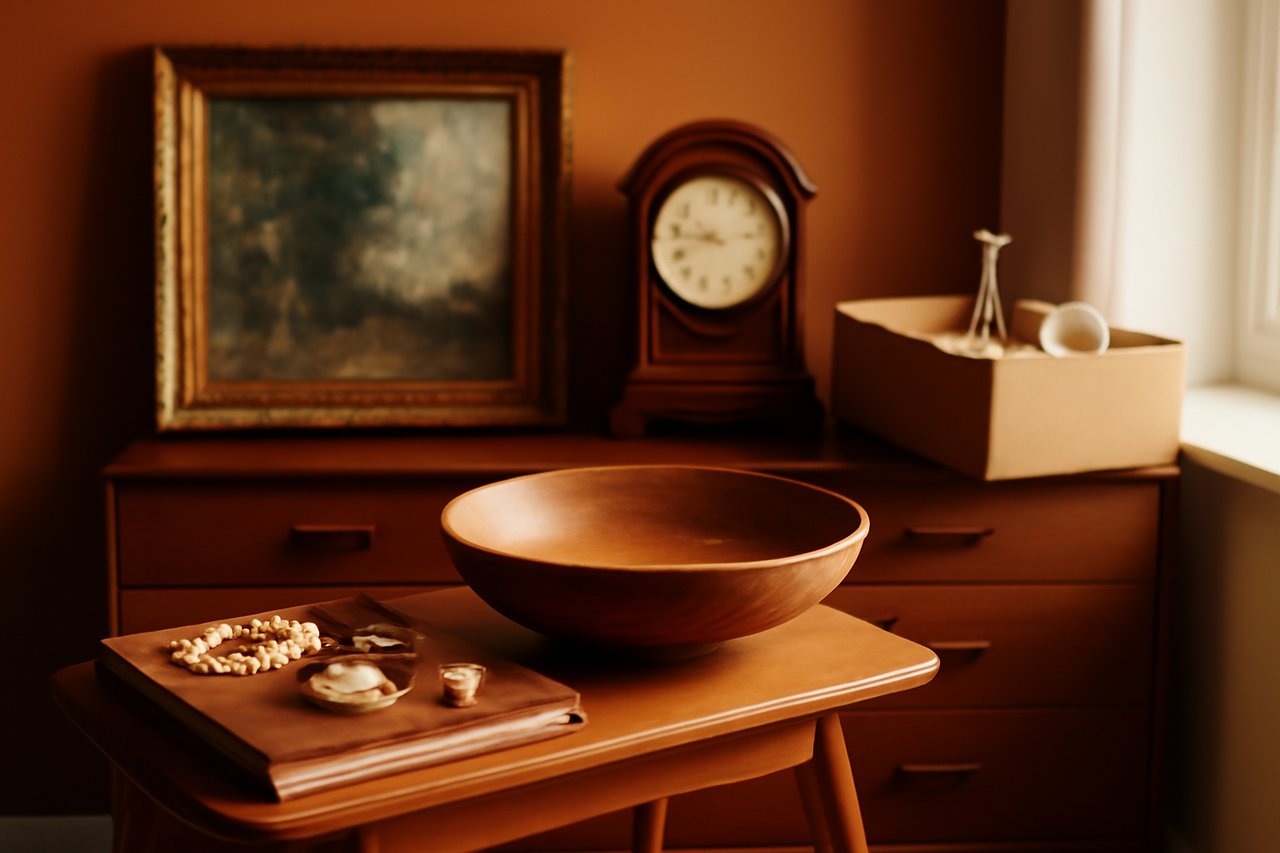
You walk in and there it is: sixty years of a life, packed into every drawer, shelf, and closet. A ceramic owl collection. Boxes of silverware. A watch on the nightstand that might be worth something, or might be nothing.
Most people freeze here. That's completely normal. The job feels too big, the stakes feel too high, and there's usually a deadline breathing down your neck.
Here's a framework that actually works.
Step One: Don't Throw Anything Away Yet
This sounds obvious, but it's the most common and costly mistake. Bags of "junk" get tossed before anyone realizes there was a piece of mid-century pottery or a signed print mixed in.
Give yourself one full pass through the house before any disposal decisions. You're not organizing yet, just observing.
Step Two: Sort Into Three Rough Piles
Once you've walked through, separate things loosely:
- Keep (sentimental or clearly valuable)
- Unknown (anything you're not sure about)
- Donate or discard (duplicates, worn goods, obvious throwaways)
The unknown pile is where the real work is. That's also where the money often hides.
Step Three: Identify Before You Price
The unknown pile usually holds the most surprises. A piece of jewelry might be costume, or it might be 18k gold. A painting might be a print, or it might be an original oil worth real money.
Before you call an estate sale company or price things for a garage sale, take stock of what you actually have. Photograph items, note any maker's marks, signatures, or hallmarks. For anything that looks remotely interesting, a quick photo-based identification, like what Tappraise does, can tell you whether something belongs in the "sell carefully" category or the donation box.
What to Prioritize
Some categories are almost always worth a closer look:
- Watches and jewelry
- Art, even unsigned pieces
- Silver and silverplate (they look similar, value is not)
- Vintage or mid-century furniture
- Cameras, lenses, and audio equipment
- Coins, stamps, and militaria
- First-edition or illustrated books
Step Four: Pick the Right Selling Channel
Not everything should go through the same door. A $20 blender belongs on Facebook Marketplace. A piece of estate jewelry does not.
Rough guide:
- Auction houses work well for high-value antiques, art, and jewelry, but they take 20 to 50 percent in commissions.
- Estate sale companies are convenient but they price to move, not to maximize.
- Online marketplaces (eBay, Etsy, local apps) can get closer to fair market value but require your time.
- Direct sale platforms built around appraisal, like Tappraise's marketplace, let you list with an already-researched price so you're not guessing.
Step Five: Give Yourself a Realistic Timeline
Most people underestimate how long this takes. A modestly furnished two-bedroom house is a weekend job if you're moving fast. A four-bedroom house accumulated over decades is more like two to four weeks of focused effort.
Build in buffer for the pieces that need more research. Rushing the identification step is where value gets left on the table.
One Last Thing
This process is emotionally hard regardless of how organized you are. You're making decisions about objects that carried a person's life. Give yourself permission to slow down on the things that matter to you personally, and be efficient with the rest.
Knowing what something is worth doesn't diminish what it meant. It just means you can make a clear decision about what happens to it next.